Guiding the Future: Why a Robotics Lab Needs Both Infrastructure and Curriculum
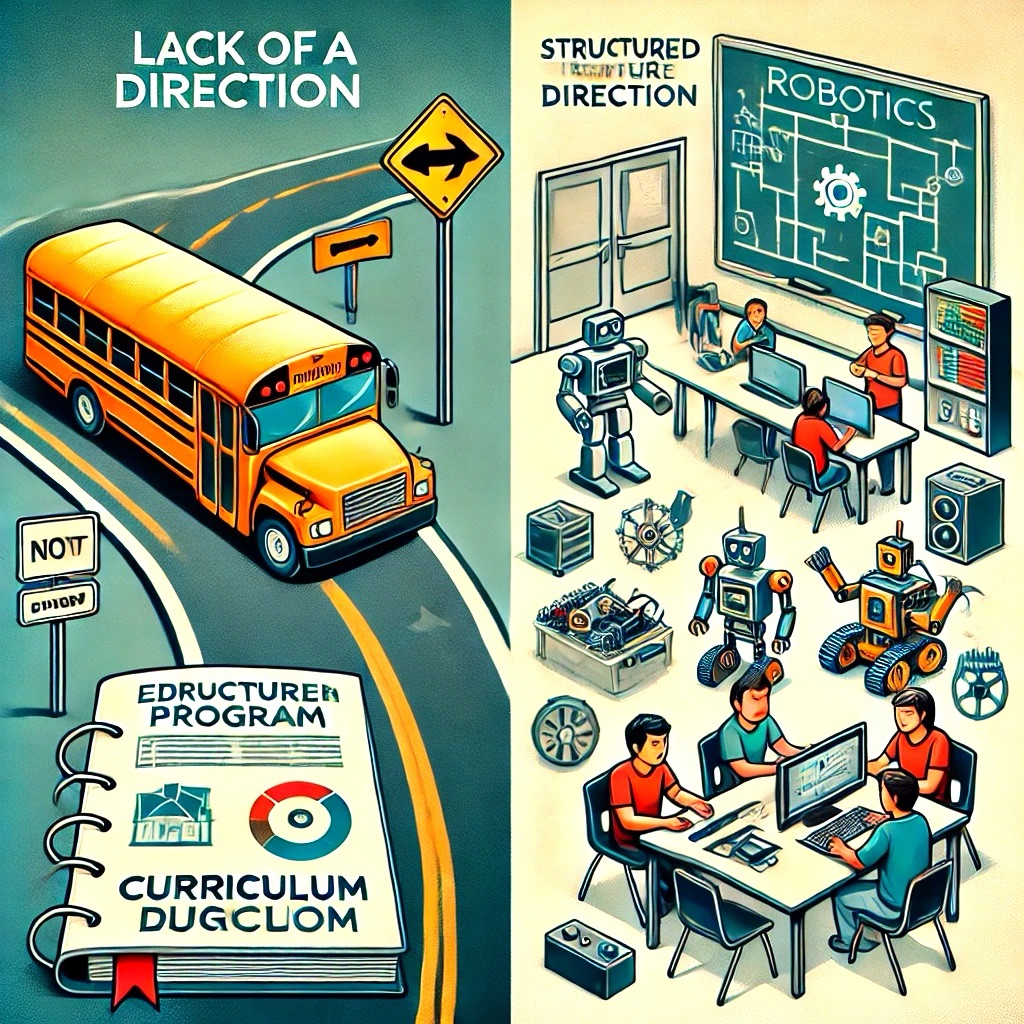 Have you ever imagined a bus without an experienced driver? 🚌💨
That’s exactly what a robotics lab without a curriculum feels like.
Which is more important: lab infrastructure or curriculum? In my view, both are essential. But what’s truly sustainable? 🤔
When we at Otomatiks explored this, we realized sustainability comes when the vendor has a strong, reliable relationship with the school. Why? Because managing a robotics lab is challenging:
➡️ Technology is constantly advancing, meaning kits can quickly become outdated.
➡️ Students actively use the equipment, so damages are inevitable.
➡️ School-assigned trainers often juggle multiple responsibilities, making consistent class schedules difficult.
The idea that setting up a robotics lab is a “one-time investment” is a myth—sometimes even a marketing trap. Robotics today is not a luxury; it’s a necessity that meets both student and parenting needs.
Think back to your school days, especially in the computer lab. 💻 How many computers were fully functional? How many exciting classes did you miss because of equipment issues? The same risks apply to robotics labs.
Now, do you think it’s easy to run an organization for over 13 years—one that started with zero investment and just 8 students? Today, Otomatiks has trained over 150,000 students and is currently teaching 17,000+ students. Achieving a 93% client retention rate isn’t easy, but we’ve managed because Otomatiks is a purpose-driven organization, aiming to create future Nobel laureates and make a real difference. 🌍✨
So, I’m not saying robotics labs are unnecessary—but a lab without a curriculum is like a bus without a driver. Looking for a reliable “driver” for your robotics program? We’re here to help! Let’s talk.
.png)


Comments
Post a Comment